Essential Forex Tools Every Trader Should Use for Successful Forex Currency Trading
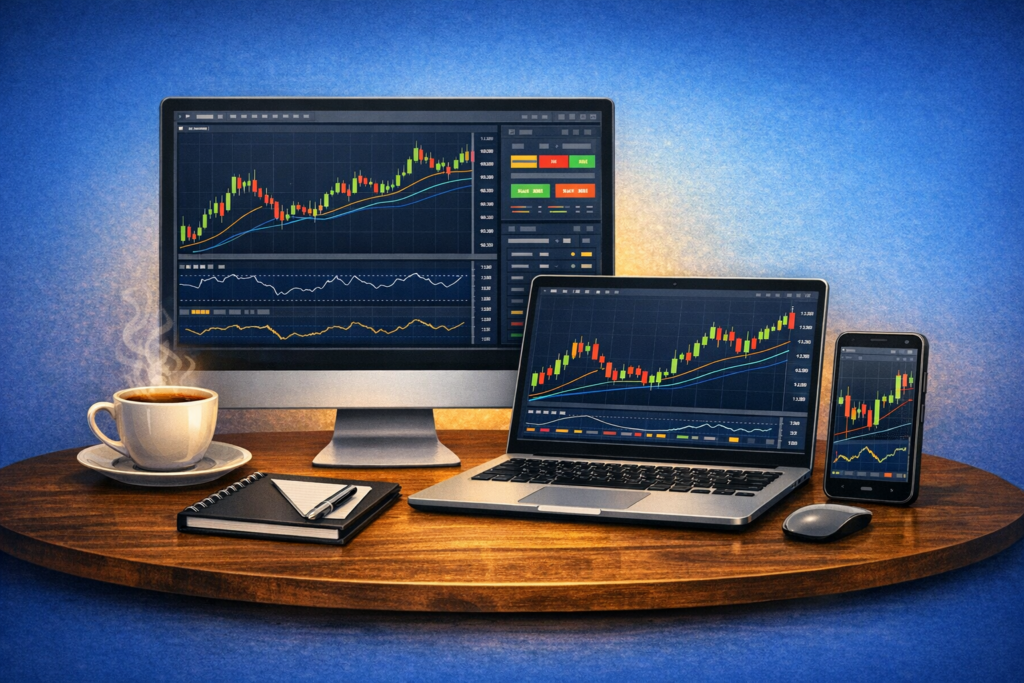
Successful forex traders don’t rely on guesswork. They use a set of tools that help them analyse the market, calculate risk, track performance, and execute trades with precision. These tools don’t replace skill — they enhance it. Whether you’re a beginner or an experienced trader, the right tools can dramatically improve your consistency and confidence.
1. Professional Charting Platforms
Charting platforms are the backbone of forex analysis. They allow you to view price action, draw levels, test strategies, and monitor multiple pairs at once. These forex tools are heavily used by professional traders.
TradingView
- Clean, modern interface
- Cloud‑based charts
- Thousands of indicators
- Social ideas and scripts
Ideal for traders who want flexibility and advanced charting.
MetaTrader 4 & 5 (MT4/MT5)
- Industry standard
- Fast execution
- Supports Expert Advisors (EAs)
- Deep broker integration
Perfect for traders who want automation or direct broker execution.
cTrader
- Sleek interface
- Level II pricing
- Advanced order types
Great for scalpers and day traders.
Why charting platforms matter: They help you identify trends, support/resistance, patterns, and high‑probability setups — the foundation of any trading strategy.
2. Forex Calculators
Calculators help you trade with precision instead of emotion. They ensure your risk is consistent and your position sizes are correct. These calculators are essential forex tools.
Pip Calculator
Shows the value of each pip for your pair, account currency, and lot size. This prevents surprises when trading pairs with different pip values.
Position Size Calculator
The most important calculator for risk management. It tells you exactly how many lots to trade based on the following:
- Your stop‑loss distance
- Your risk percentage
- Your account size
This keeps your risk consistent across all trades.
Margin Calculator
A must-have forex trading tool. Shows how much margin is required to open a position. Essential for avoiding margin calls and over‑leveraging.
Why calculators matter: They remove guesswork and enforce discipline — two things most traders struggle with.
3. Economic Calendar
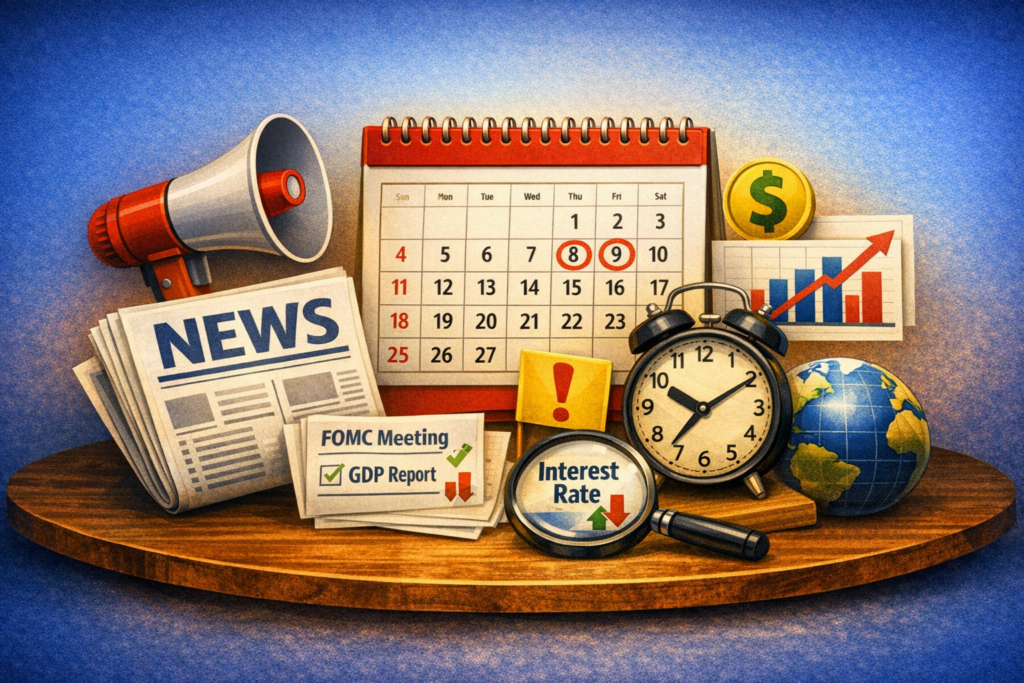
The forex market reacts strongly to news events. An economic calendar helps you track the following:
- Interest rate decisions
- Inflation data
- Employment reports
- GDP releases
- High‑impact announcements
Without proper usage of forex tools, you’re trading without any protection.
You can use the calendar to:
- Avoid trading during volatile periods
- Trade news intentionally
- Prepare for market spikes
Most traders lose money because they enter trades without realising major news is minutes away. A calendar prevents that.
4. Trading Journal
A trading journal is one of the most underrated Forex tools – yet it’s the one that separates professionals from amateurs.
A good journal tracks:
- Entry and exit
- Reason for the trade
- Risk‑to‑reward
- Emotions
- Mistakes
- Improvements
Over time, your journal reveals patterns in your behaviour and strategy. It shows what works, what doesn’t, and where your weaknesses are.
Why journals matter: You can’t improve what you don’t measure.
5. Market Scanners & Alerts
Scanners help you find setups faster by filtering pairs based on:
- Trend direction
- Volatility
- Breakouts
- RSI levels
- Moving averages
- Price patterns
Alerts notify you when price reaches key levels so you don’t have to stare at charts all day.
This saves time and reduces emotional trading.
6. Sentiment Tools
Sentiment tools show how other traders are positioned. Examples include:
- Long vs short ratios
- Commitment of Traders (COT) reports
- Retail sentiment indicators
Sentiment helps you understand market bias and avoid trading against major flows.
7. Broker Tools
Your broker provides tools that directly affect your profitability:
- Spreads
- Swap rates
- Execution speed
- Order types
- VPS hosting
- Trading dashboards
Choosing the right broker is part of your trading edge. A poor broker can turn a winning strategy into a losing one.
8. Backtesting Software
Backtesting allows you to test your strategy on historical data before risking real money.
Benefits:
- Validates your strategy
- Shows win rate and drawdown
- Builds confidence
- Helps refine rules
Platforms like TradingView and MT5 offer built‑in backtesting tools.
9. Risk Management Tools
These tools help you stay disciplined:
- Equity protectors
- Daily loss limits
- Trade management scripts
- Break‑even automation
They prevent emotional decisions and protect your capital.
10. VPS (Virtual Private Server)
A VPS keeps your trading platform running 24/7 – essential for:
- Automated trading
- Expert Advisors
- Copy trading
- Low‑latency execution
If you run EAs, a VPS is non‑negotiable.
Final Thoughts
Forex tools don’t guarantee profits — but they dramatically improve your decision‑making, discipline, and consistency. The traders who succeed long‑term are the ones who combine skill with the right tools and a structured workflow.
Successful traders rely on tools that help them analyse the market, calculate risk, and execute trades efficiently. These tools don’t replace skill — they enhance it.
Recommended Internal Links
- Understanding Forex Leverage and Margin
- Forex Pip Calculator
- Broker Reviews