What Is Risk Management in Forex? A Beginner’s Guide to Protecting Your Capital and Trading Safely
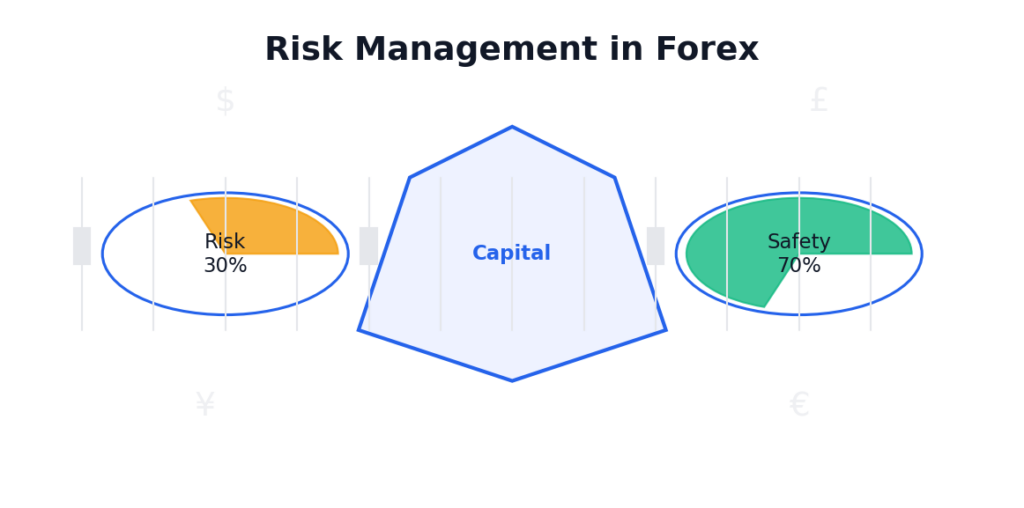
Understanding risk management in forex is essential for every trader because it protects your capital and keeps you in the market long enough to learn and improve. Risk management is the most important skill in Forex trading. It determines whether you survive long enough to become profitable. Even the best strategy fails without proper risk control. Understanding how to manage risk helps beginners avoid blown accounts, reduce emotional stress, and trade with confidence.
🛡️ Why Risk Management in Forex Matters
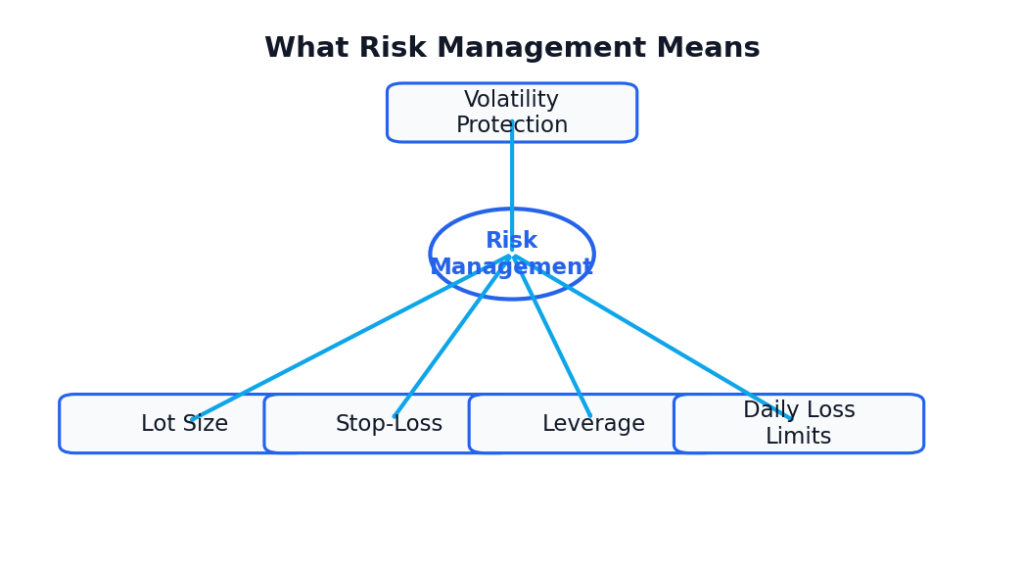
Risk management is the process of controlling how much money you expose to the market on each trade. It includes:
- choosing the right lot size
- setting stop‑loss orders
- managing leverage
- limiting daily losses
- protecting your account from volatility
Good risk management keeps you in the game. Poor risk management ends your trading journey quickly.
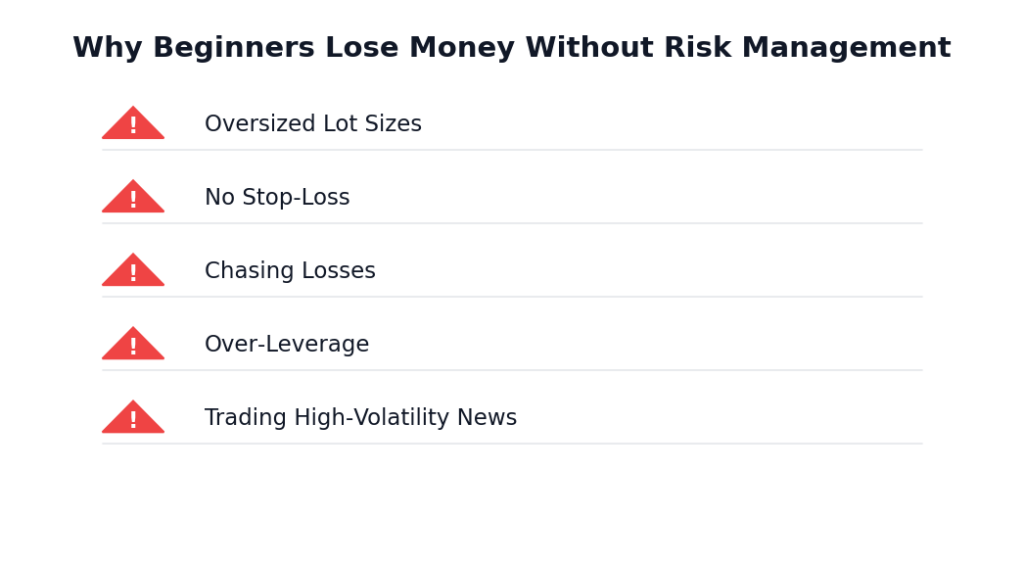
📉 Why Beginners Lose Money Without Risk Management
Most beginners:
- risk too much per trade
- use oversized lot sizes
- trade without stop‑losses
- chase losses
- over‑leverage their accounts
- trade during high‑volatility news
These mistakes lead to rapid account blowouts.
📊 The 1–2% Rule
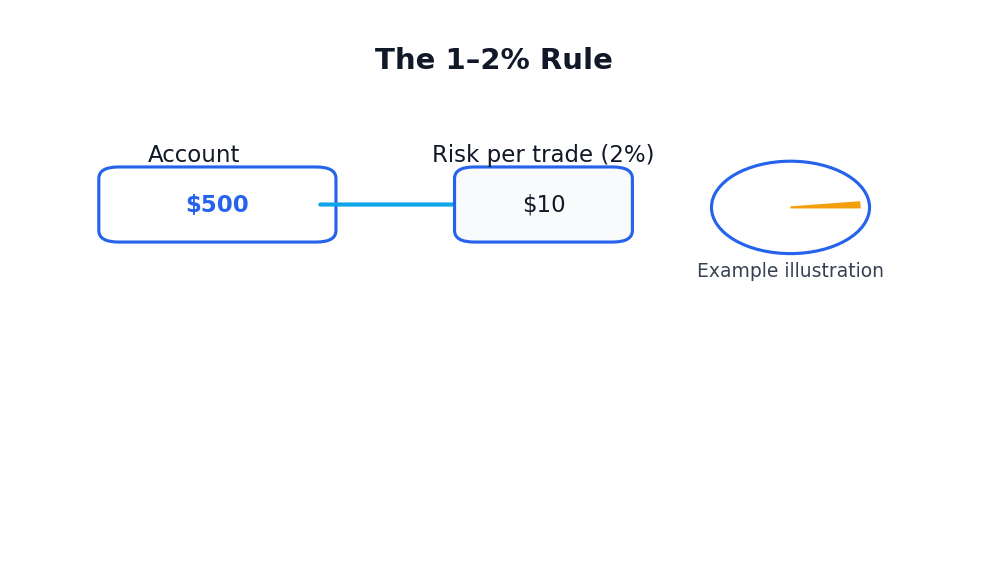
Professional traders rarely risk more than 1–2% of their account on a single trade.
Example: Account size: $500 Risk per trade (2%): $10 Your stop‑loss and lot size must be calculated so that the maximum loss = $10.
This rule protects your account from large drawdowns.
🧮 How to Calculate Position Size
Position size depends on:
- account size
- risk percentage
- stop‑loss distance
- pip value
Formula:
Position Size=Account RiskStop-Loss (pips)⋅Pip Value
For more context, see our guide on understanding pip values to calculate risk accurately.
Beginners should use a position size calculator to avoid mistakes.
🛑 Why Stop-Loss Orders Are Essential
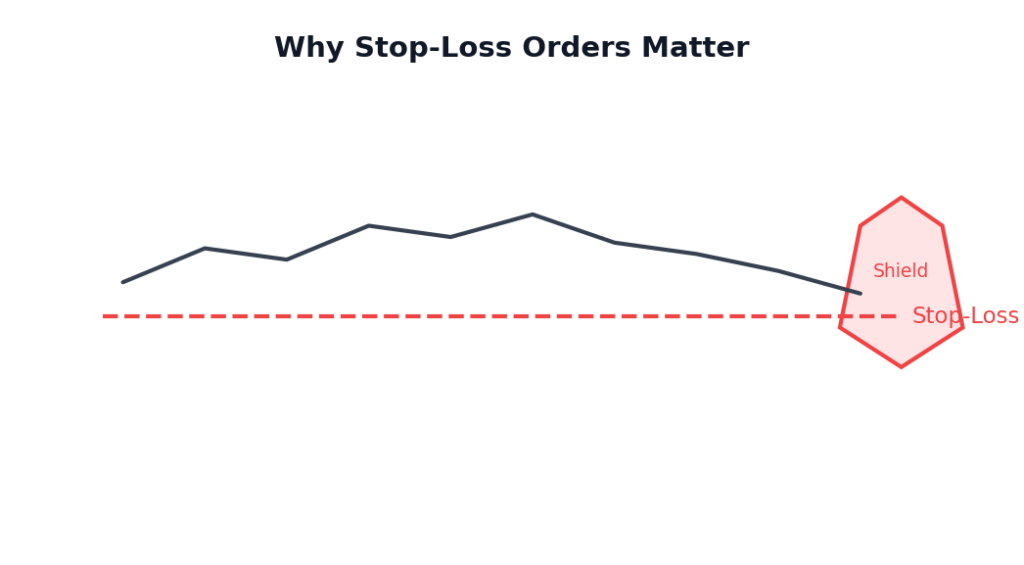
A stop-loss automatically closes your trade when price moves against you. Effective risk management in forex helps traders avoid large drawdowns and maintain consistent performance even during volatile market conditions.
Stop-losses:
- protect your account
- prevent emotional decisions
- limit losses
- enforce discipline
Trading without a stop-loss is one of the fastest ways to blow an account.
For a broader overview of how traders think about risk, Investopedia offers a helpful introduction to risk management in forex and other financial markets.
⚡ How Leverage Affects Risk
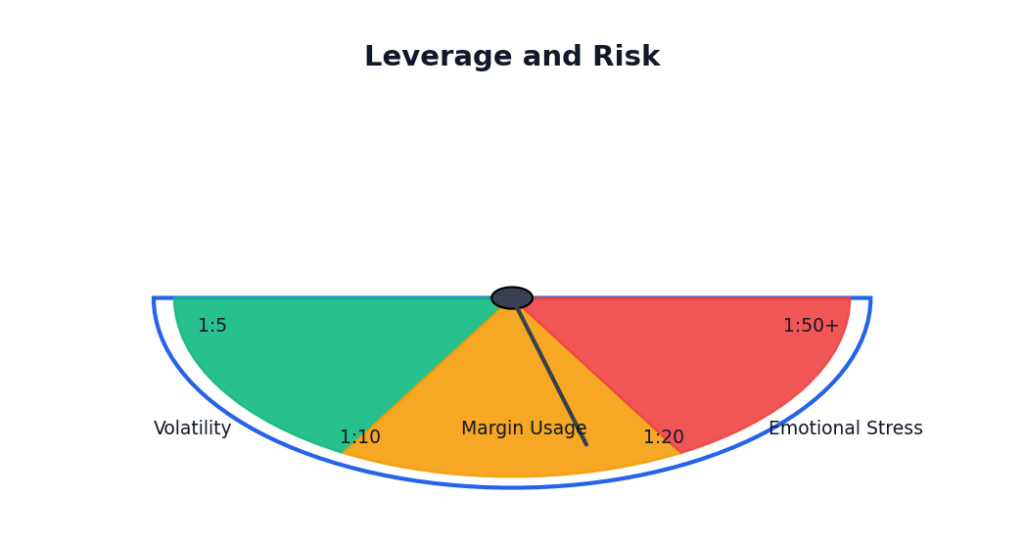
High leverage increases:
- volatility
- margin usage
- emotional stress
- risk of margin calls
Beginners should use low to moderate leverage until they understand margin and volatility.
📈 Risk-to-Reward Ratio (RRR)
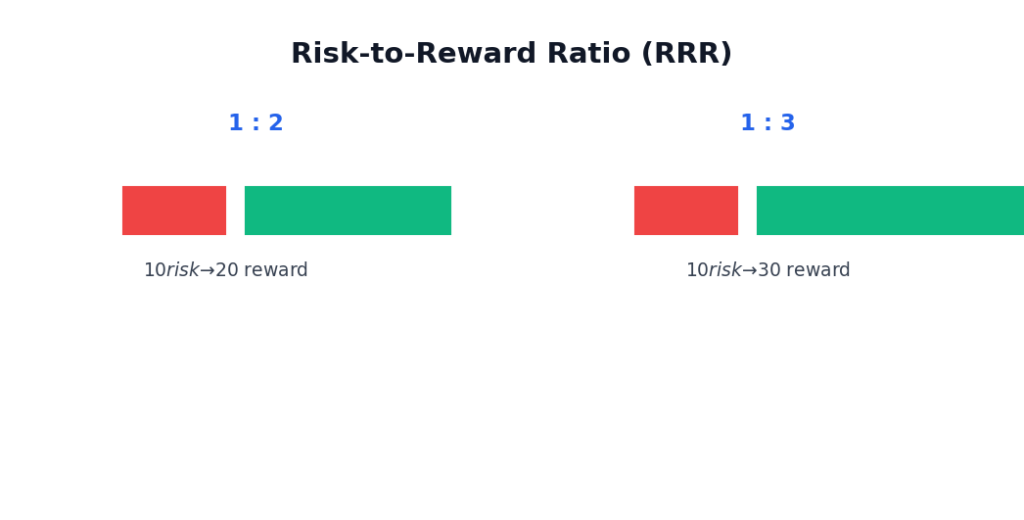
Risk-to-reward ratio compares your potential loss to your potential gain.
Common ratios:
- 1:2 (risk $10 to make $20)
- 1:3 (risk $10 to make $30)
A good RRR allows you to be profitable even with a low win rate.
🧠 Common Risk Management Mistakes
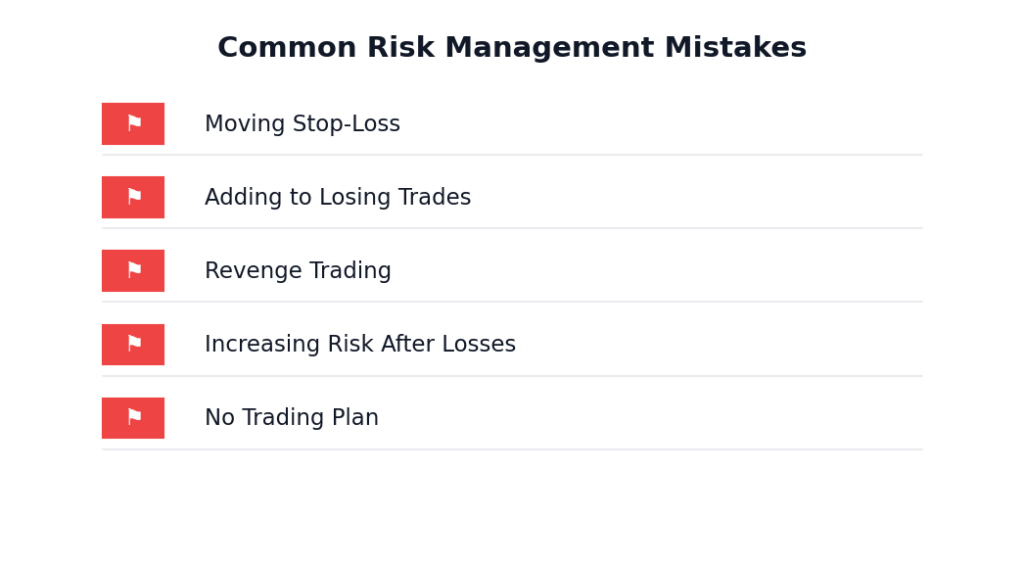
Beginners often:
- move stop-losses further away
- add to losing trades
- revenge trade
- risk more after a loss
- trade without a plan
These habits destroy accounts quickly.
📘 Examples to Make It Clear
Example 1: Safe Risk Management Account: $1,000 Risk: 1% = $10 Stop-loss: 20 pips Pip value: $1 Position size: mini lot (0.10) This is closely connected to selecting the appropriate lot size for each trade.
Example 2: Dangerous Risk Management Account: $200 Lot size: 1 standard lot Stop-loss: none One spike → account blown instantly.
Example 3: Good Risk-to-Reward Risk: 30 pips Reward: 90 pips RRR = 1:3 You only need to win 30% of trades to be profitable.
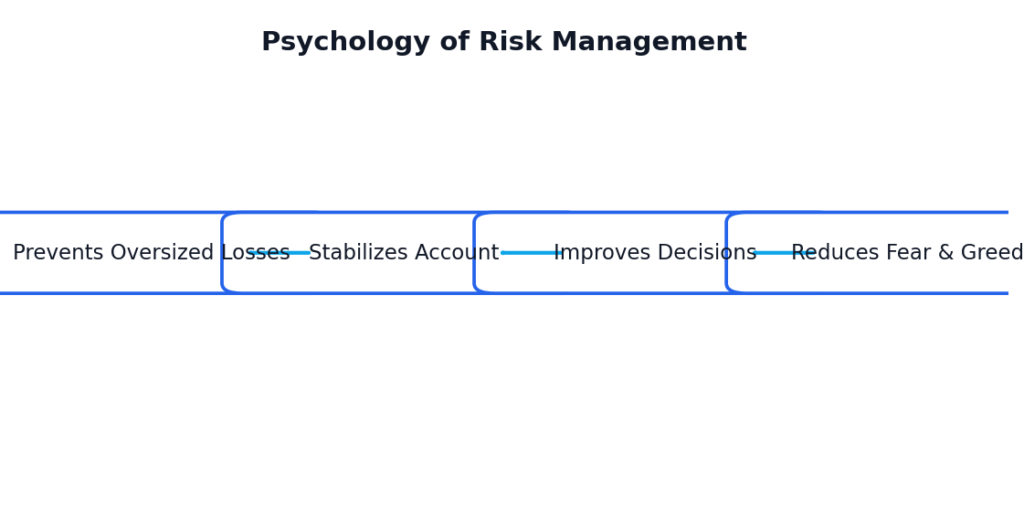
🧩 The Psychology of Risk Management
Risk management reduces emotional pressure by:
- preventing oversized losses
- keeping your account stable
- allowing consistent decision‑making
- reducing fear and greed
Trading becomes easier when your risk is controlled.
As you progress, you’ll want to explore how liquidity conditions affect your risk exposure to round out your knowledge.
This also connects to choosing the right trading session to manage risk, which is an essential concept for forex beginners.
Understanding the basics of currency pairs and how they move will help you build a stronger foundation in forex trading.
🎯 Final CTA
Mastering risk management in forex is what separates long‑term traders from those who burn their accounts through emotional or unplanned decisions. Ready to continue building your Forex foundation? Explore the full beginner’s guide here: