Stop‑Loss in Forex: A stop‑loss is one of the most important tools in Forex trading.
A Stop‑Loss in Forex protects your account by automatically closing a trade when the market moves against you.
Without a stop‑loss, a single bad trade can wipe out weeks or months of progress.
Every professional trader uses a stop‑loss. Beginners who skip it usually learn the hard way.
What is a Stop‑Loss In Forex?
A stop‑loss is a preset price level where your trade will close if the market moves in the wrong direction. It’s designed to:
- protect your capital
- control your risk
- prevent emotional decision‑making
- keep losses small and manageable
When you place a trade, you decide two things:
- Where you want to enter
- Where you want to exit if you’re wrong (the stop‑loss)
The second part is what keeps you in the game long enough to learn and grow.
Learn more from here What Is Risk Management in Forex?
How a Stop‑Loss In Forex Works on a Forex Chart
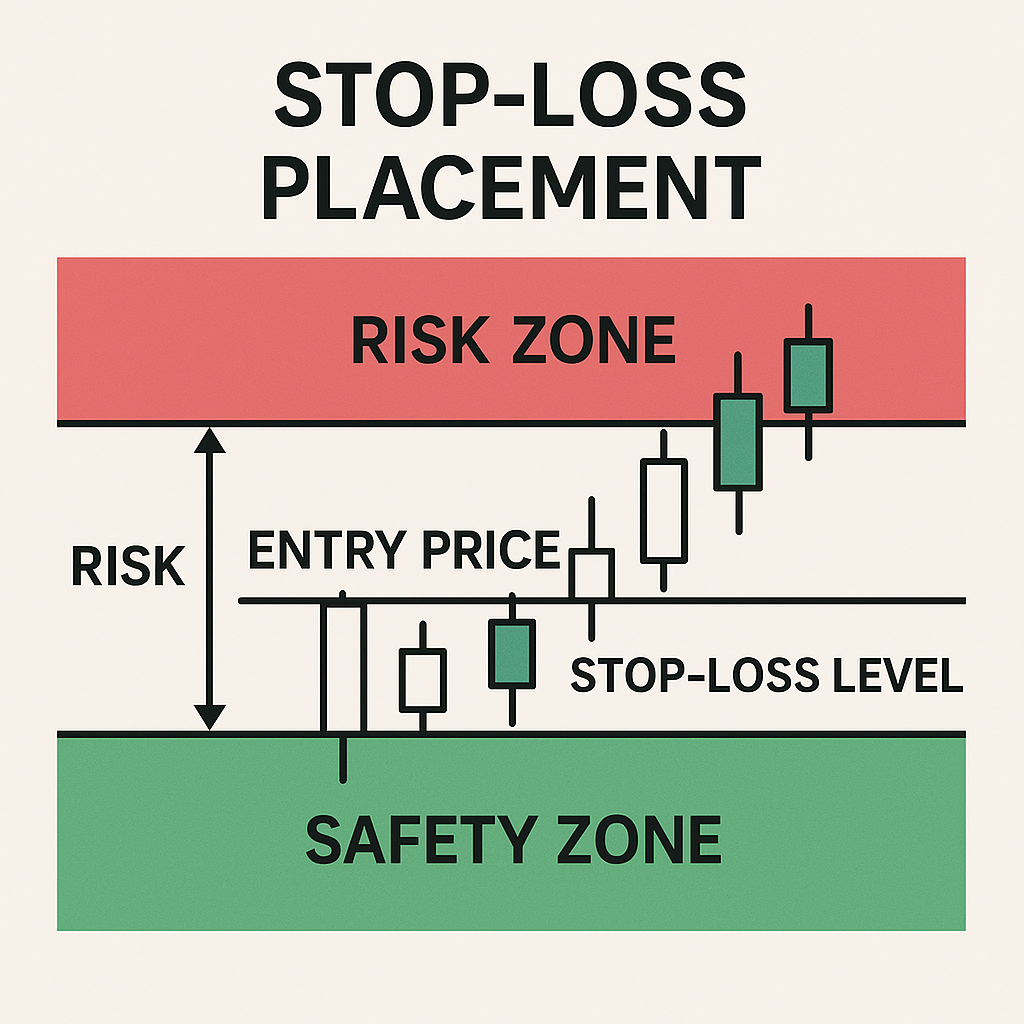
A stop‑loss sits below your entry on a buy trade, or above your entry on a sell trade. It marks the point where you accept that the trade idea didn’t work.
Entry Price
The price where you open the trade.
Stop‑Loss Level
The price where the trade will automatically close.
Risk Zone vs Safety Zone
- The area between your entry and stop‑loss is your risk zone.
- Anything beyond your entry in the profitable direction is your safety zone.
Visual Placement
Alt text: Diagram showing entry price, stop‑loss level, and risk zone in Forex trading.
Types of Stop‑Loss Orders
There are several ways to set a stop‑loss depending on your strategy and market conditions.
- Fixed Stop‑Loss
A simple, static stop‑loss that doesn’t move.
Best for beginners and structured strategies. - Trailing Stop‑Loss
Moves with the market as price goes in your favor.
Locks in profits while still giving the trade room to breathe. - Volatility‑Based Stop‑Loss
Placed based on market volatility (e.g., ATR).
Useful during news events or fast‑moving markets.
Structure-Based Stop-Loss Placement
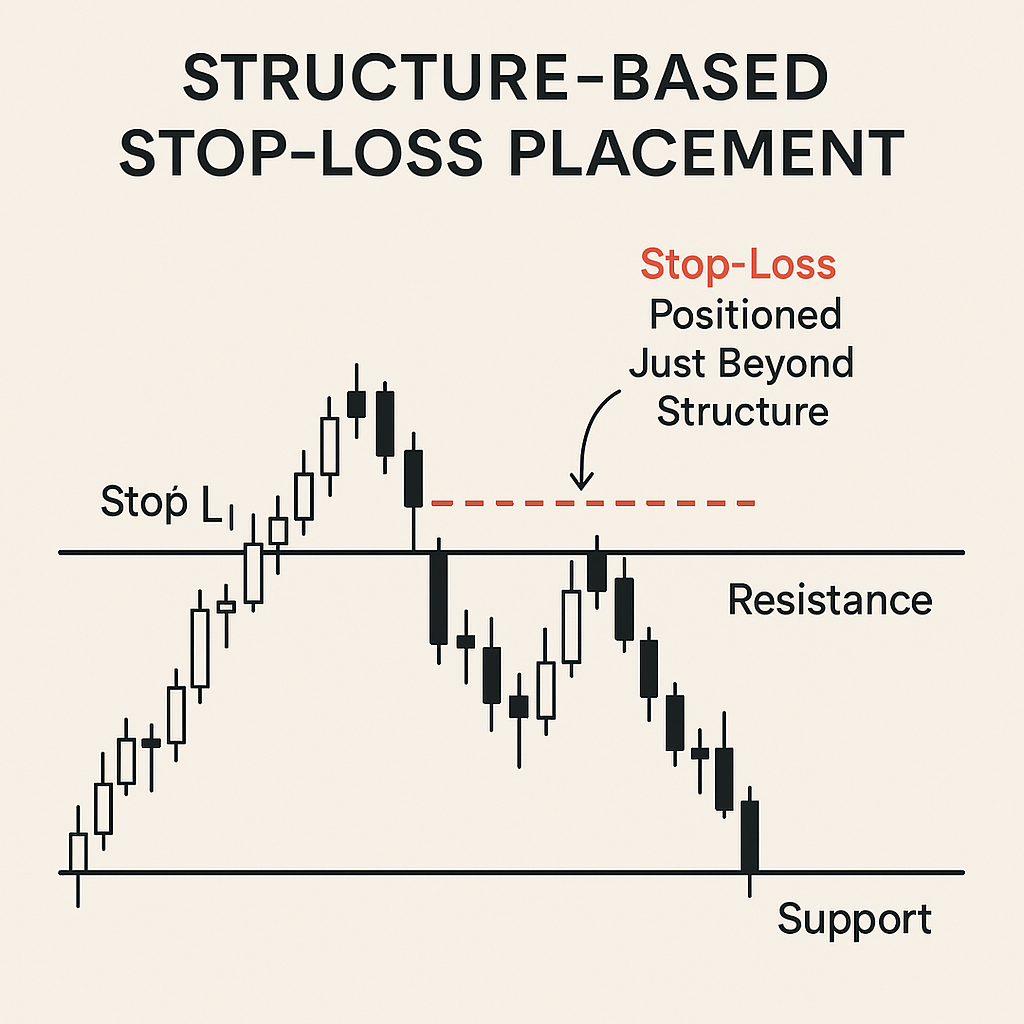
A good stop‑loss is not random. It’s based on logic and structure.
- Based on Market Structure
Place your stop‑loss beyond:
- support
- resistance
- swing highs/lows
- consolidation zones
This gives the trade room to move naturally.
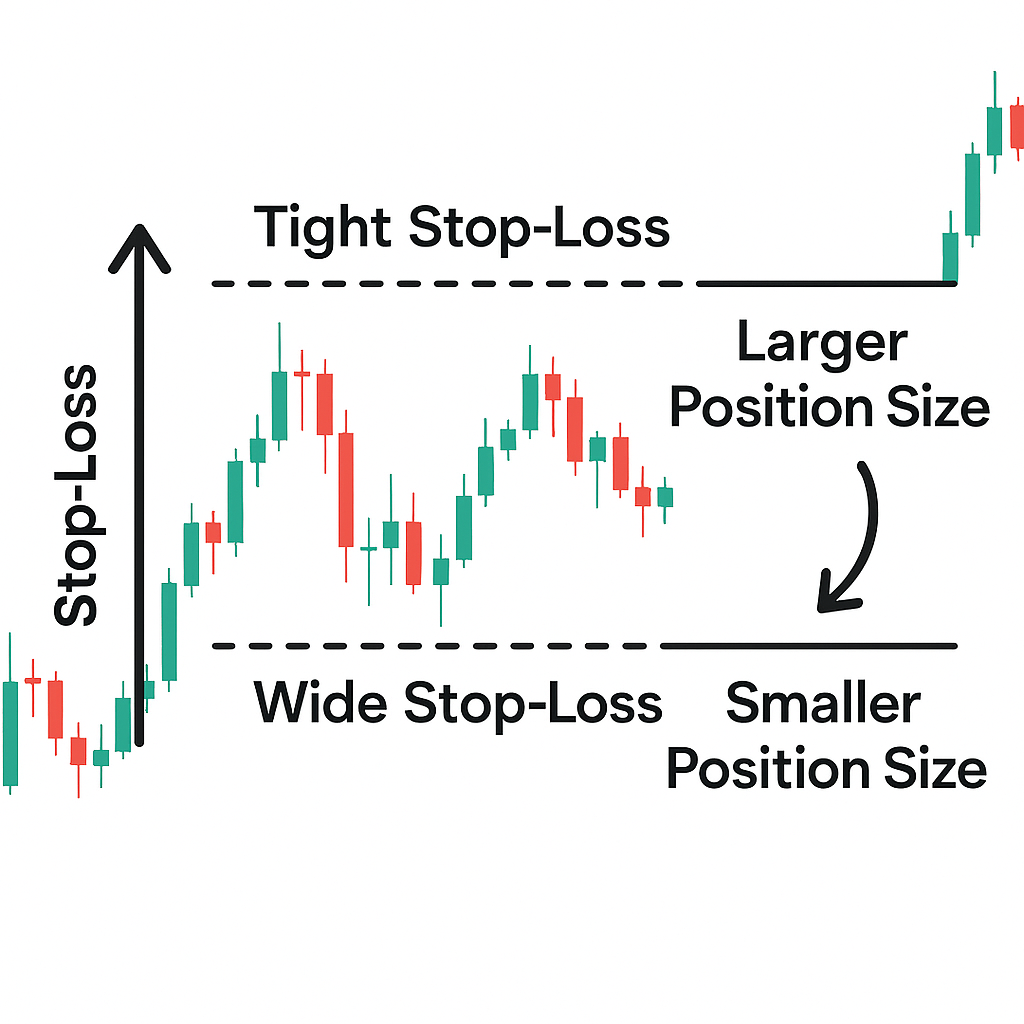
- Based on Volatility
Use indicators like ATR to avoid placing stops too close in choppy markets. - Based on Risk Percentage
Most traders risk 1–2% of their account per trade.
This is where position sizing becomes essential.
Check out Position Sizing Explained
Common Stop-Loss Mistakes to Avoid
Many traders lose money not because they skip stop‑losses, but because they use them incorrectly.
- Setting the Stop‑Loss Too Tight
The market needs room to breathe.
A stop that’s too close gets hit easily. - Moving the Stop‑Loss Emotionally
If you move your stop further away to “give the trade more room,” you’re increasing your risk without a plan. - Not Using a Stop‑Loss at All
This is the fastest way to blow an account.
Even one unexpected news event can cause massive losses.
Stop‑Loss and Trading Psychology
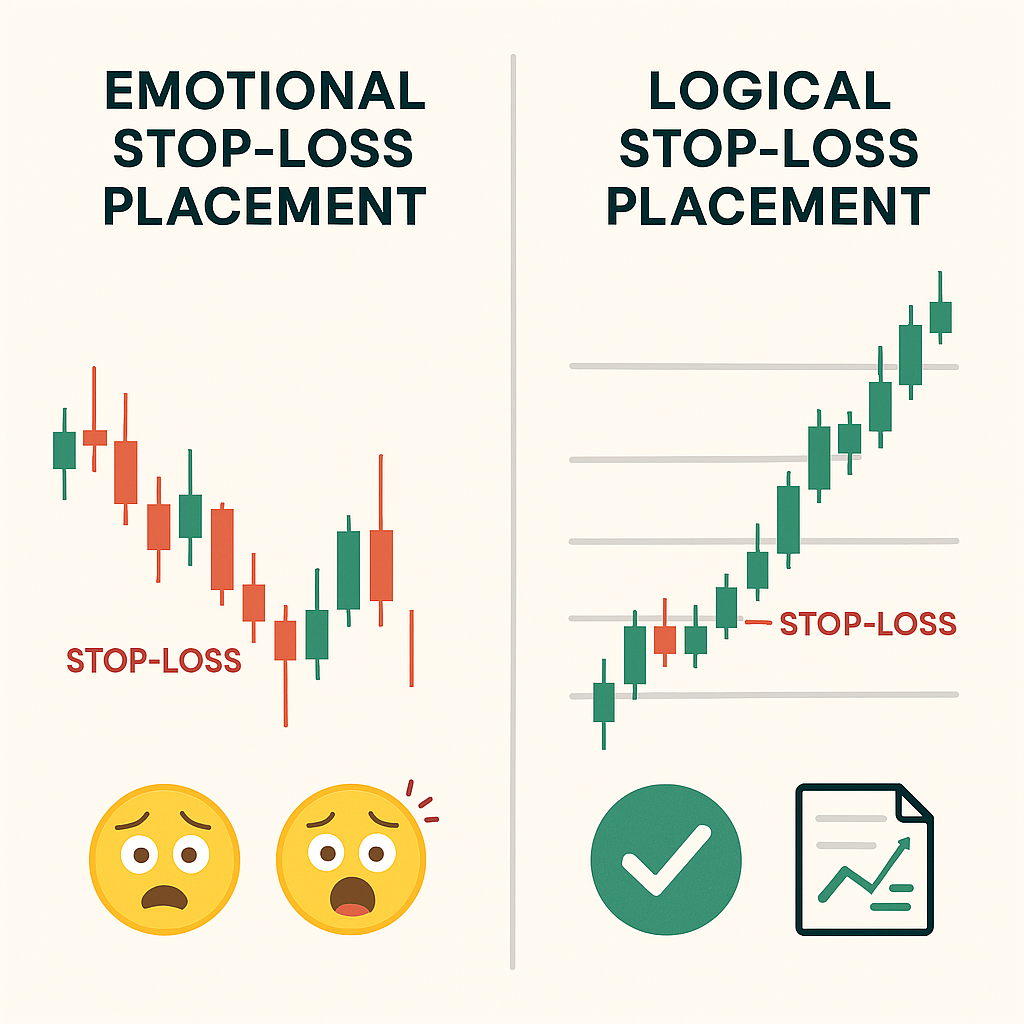
A stop‑loss removes emotion from your trading.
It prevents:
- panic
- hesitation
- revenge trading
- fear of missing out
When you know your maximum loss before entering a trade, you trade with confidence and clarity.
Internal link: [Link to: Trading Psychology Basics] (future pillar) xxxxx
Final Thoughts
A stop‑loss is not optional — it’s essential.
It protects your capital, keeps your risk consistent, and helps you trade with discipline.
To build a strong risk management foundation:
[Link to next cluster: Risk‑to‑Reward Ratio]
always use a stop‑loss
place it logically
size your position correctly
avoid emotional decisions
Find out more from What Is Risk Management in Forex?